

The First Second of Touch: How Paper Texture Determines Consumer Trust and Purchase Intent
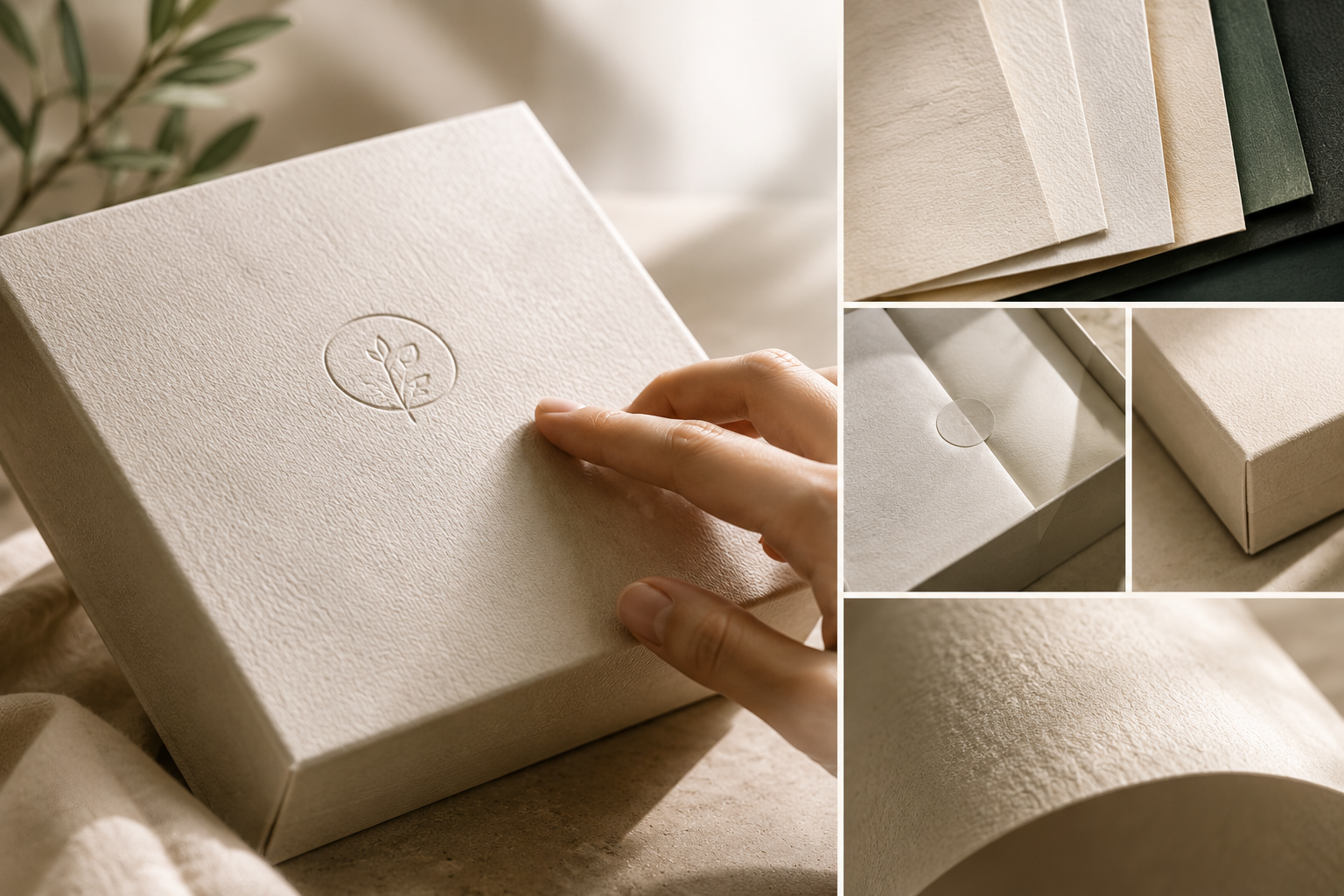
The moment a consumer picks up a product, their brain has already begun passing judgment — before a single conscious thought about the packaging's appearance. This pre-rational evaluation runs deeper than visual design and is far more resistant to rational override. Industry-wide observation consistently shows that when packaging texture aligns with a brand's intended positioning, consumer expectations of product quality rise considerably.
Paper is the most immediate carrier of packaging texture. Its weight, surface treatment, and stiffness each communicate something without saying a word.
Why Touch Is More Persuasive Than Sight
Visuals can be manipulated. Print technology can make inexpensive materials look polished, but what the hand feels cannot be faked. When a consumer handles a package, their tactile experience is near-instant and entirely instinctive. Broad industry observation identifies these consistent patterns:
-
Light weight = cheap perception: Paper below approximately 100 g/m2 produces an immediate subconscious reading of 'low value' regardless of how refined the artwork may be.
-
Stiffness signals stability: The 'solidity' a consumer feels when gripping a gift box or premium package gets translated by the brain into a judgment of brand strength.
-
Surface texture creates emotional connection: Gloss carries urban efficiency; matte conveys understated luxury; textured specialty papers communicate craftsmanship.
Paper Specification vs. Brand Perception Reference Table
| Paper Specification | Surface Treatment | Best-Fit Brand Positioning | Tactile Impression |
|---|---|---|---|
| 350gsm coated board + matte laminate | Lamination (matte) | Premium goods, beauty | Silky, understated, luxurious |
| 300gsm coated board + gloss laminate | Lamination (gloss) | Tech, electronics brands | Smooth, bright, modern |
| 250gsm specialty textured paper | No lamination (raw) | Creative, artisan brands | Natural, warm, artisan quality |
| 400gsm greyboard with casing | Foil stamp + matte | Luxury, jewelry, gift sets | Substantial, opulent, ceremonial |
| 200gsm recycled uncoated | No lamination | Eco brands, organic food | Honest, simple, sustainable |
Tactile-Visual Alignment: The Detail Brands Most Commonly Overlook
Many brands invest heavily in packaging design, yet treat paper selection as an afterthought. This is precisely where the breakdown in brand perception originates. True tactile alignment means confirming paper selection before design is finalized. A recommended sequence:
1. Define brand tone:
luxury, eco, tech-forward, warm and artisanal
2. Establish paper direction:
weight range, surface texture category
3. Determine finishing processes:
matte or gloss laminate, spot UV, foil stamping
4. Validate through physical samples:
a printed sample always outperforms on-screen approval
5. Control color in production:
ensure tactile and color consistency across every print run
How Finishing Amplifies Tactile Brand Language
-
-
Matte laminate: Reduces glare, produces a silky surface. Best suited to 'quiet confidence' brand positions.
- Gloss laminate: Increases luminance and color saturation. Ideal for brands that need energy, vibrancy, or modernity.
-
Spot UV: Applies localized gloss to specific design elements. When a consumer runs their finger across the surface, they feel the raised contrast.
-
Foil stamping: Transfers metallic foil onto the surface. The resulting finish has a distinctive warmth and weight when touched.
-
Emboss / Deboss: Creates three-dimensional relief of a logo or graphic directly in the paper — the most direct form of tactile brand differentiation.
All of the above finishing processes are performed in-house at Yeehaa Printing's facility in New Taipei City. Print and finishing are never outsourced, ensuring consistent tactile quality from the first sheet to the last.
-
FAQ: Paper Texture — Common Questions Answered
Q1: Which lasts longer in use — matte or gloss laminate?
Q2: Does recycled paper actually feel noticeably different?
Q3: Does the paper choice for a business card actually affect the impression it leaves?
"You've got the knowledge — now let's put it to work on your actual project."
Ready to move? Share your specs with Yeehaa and we'll confirm file requirements, material options, and a production schedule that gives your project the quality time it deserves.
📩 Get Your Project Specs Confirmed by Yeehaa
Related Information
Cold Foil vs. Hot Foil: How to Choose by Material, Finish, and Cost
冷燙與熱燙怎麼選?本文從上箔原理、紙張與塑膠的材質適性、立體效果到製版與數量的成本結構,完整比較兩種金屬燙印工法,並整理常見誤區,適合設計師與品牌在規劃名片、型錄與包裝印刷時參考。
Paperboard, Corrugated, and Specialty Substrates: A Printability Comparison
A printability comparison of paperboard, corrugated, and specialty substrates: how material choice shapes print method, color, and finishing limits for packaging projects.
Why Does the Same Design Look So Different on Various Papers? The Logic of Brand Perception in Paper Selection
Same design, different paper — wildly different results. A New Taipei printing expert breaks down how coated, matte, and textured papers affect color, feel, and brand perception, plus finishing compatibility (foil stamping, spot UV) to help you choose the right stock.
【2026 Printing Proof Guide】Digital vs. Press Proof Cost Assessment & 3 Major Defense Lines to Avoid Printing Pitfalls
Digital vs. press proofing: compare costs, learn the 5-step approval SOP, and avoid 3 common printing pitfalls before your next production run.
 中文
中文